

-
 NOAA via AP/NOAAThe Pacific Ocean has had an unusual number of storms this year, while the Atlantic hasn't recorded a single full-blown hurricane. Scientists point to an exceptionally strong El Niño.
 -
 Juan Diego Reyes for NPRAcross the country, lost-and-found networks seek to reunite objects with disaster survivors. The work can take years. In some cases, it's impossible to pick up all the pieces.


-
 Coral reefs are under threat right now due to abnormally warm ocean temperatures. Scientists are studying the healthiest reefs in the world in search of ways to help all reefs with climate change.
 -
 Hurricane Polo has grown into one of the most powerful Pacific cyclones in decades, and it was expected to skirt Mexico's southwestern coast as a Category 5 storm.
 -
 Scientists have found a species they've named the fire amoeba, which is capable of reproducing at 145°F and continuing to move up to temperatures of 147°F — a record for complex eukaryotic life.
 -
 OpenAI beat humans to solving the Navier-Stokes problem, but mathematicians say the AI's solution isn't telling them much.
 -
 Four states will vote on abortion-related ballot measures in November. The measures follow the Supreme Court's "Dobbs" decision, which upended federal abortion protections.
 -
 The fall equinox, which arrives Tuesday in the U.S., brings shorter days, and chances to witness alignment between Earth and the sun. It's a modern version of ancient observances of a celestial shift.
 -
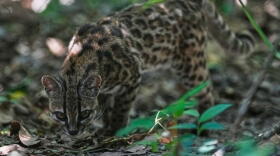 What looks like a leopard, but is tinier than a house cat? It’s a brand new species of cat called leopardus tilcayo.
 -
 The U.S. gets nearly a third of its pork from Iowa. One family is making the switch from pigs to more sustainable specialty mushrooms and trying to show other pig farmers how they did it.
 -
 The lions were found dead inside the Ngorongoro Conservation Area, a popular wildlife reserve in Tanzania. Deaths raise concerns over wildlife poisonings in East Africa.
 -
Eastern monarch butterflies are flying more than 2,000 miles south, through the central U.S., to overwinter in Mexico. We look at a project aimed to help the pollinators along their journey.


